
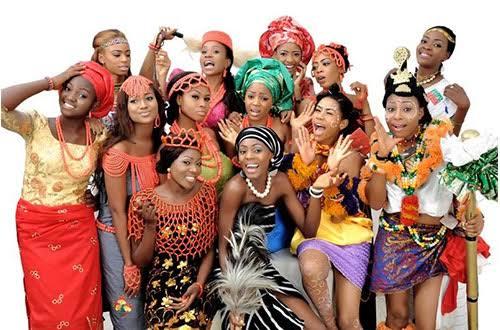
Nigerian Culture Is Changing — And That Is Not Necessarily a Bad Thing
Whenever Nigerian culture changes, there is usually a debate about whether society is losing its identity.
Older generations often look at the behaviour of younger people and wonder what happened to the values they grew up with.
Young people, on the other hand, may see some traditional expectations as outdated.
Perhaps both sides have a point.
Culture Has Never Been Completely Static
Nigeria is one of the world's most culturally diverse countries, with hundreds of ethnic groups and languages and a wide range of traditions. Its culture has always evolved through interactions between different communities and influences.
What people consider traditional today was also shaped by changes that happened generations ago.
Music changed.
Fashion changed.
Food changed.
Family structures changed.
Language changed.
Today's generation is simply experiencing another stage of that process.
Globalisation Has Accelerated Change
The difference today is speed.
A trend can move from Lagos to London, Accra, Johannesburg or New York within hours.
Young Nigerians can listen to international music, watch foreign films, follow international creators and communicate with people from different countries every day.
At the same time, Nigerian culture is travelling in the opposite direction.
Afrobeats, Nollywood, Nigerian fashion, food and comedy have gained audiences outside the country.
That means cultural exchange is not a one-way process.
What Should We Preserve?
Not every tradition deserves to survive simply because it is old.
Some traditions provide identity, community and a connection to history.
Others may need to change because they no longer serve society or because they conflict with modern ideas about individual rights and equality.
The important thing is to examine traditions rather than automatically accepting or rejecting everything from the past.
Young People Have a Role to Play
Preserving culture does not mean refusing to use technology.
A young person can enjoy Afrobeats while learning an indigenous language.
They can wear modern clothing while appreciating traditional fashion.
They can use social media while documenting their community's history.
Technology can actually become one of the tools used to preserve cultural knowledge.
Final Thoughts
Nigerian culture does not have to remain exactly as it was decades ago to remain Nigerian.
Culture is alive because people continue to practise, question, adapt and pass it on.
The real challenge is making sure that as Nigeria moves forward, it does not forget where it came from.

Leave a comment
Your email address will not be published. Required fields are marked *

