

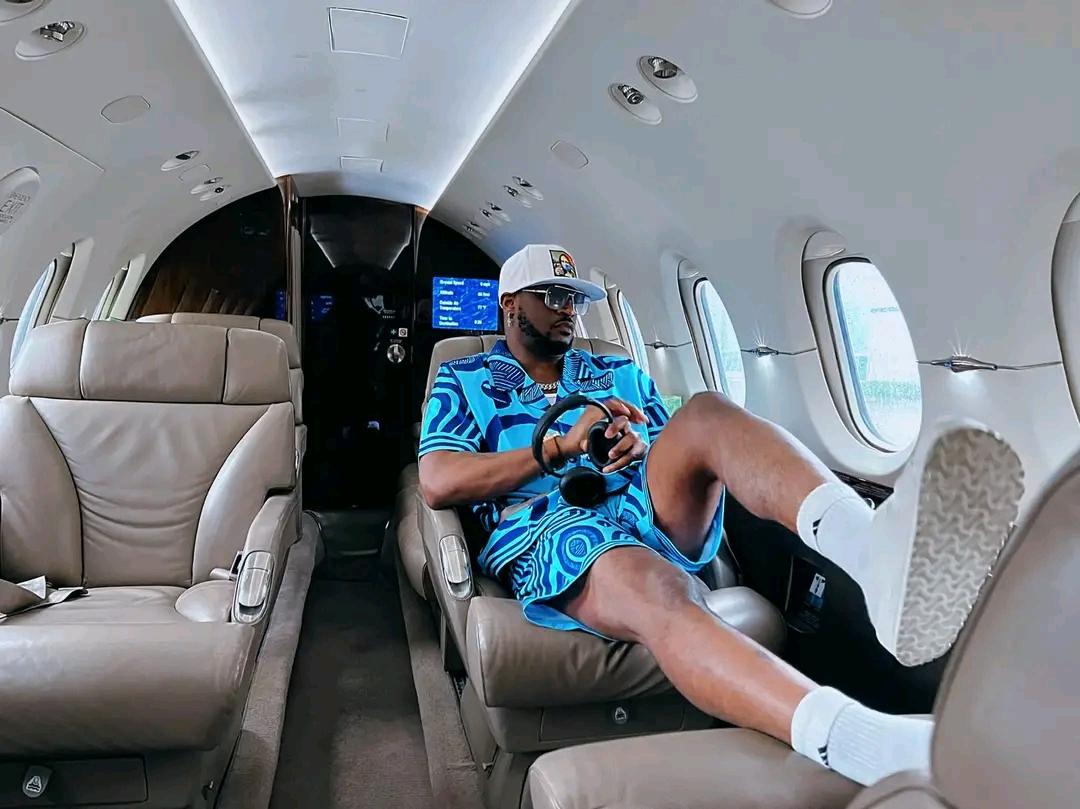
When P-Square split, many people expected Peter Okoye (Mr P) to struggle. After all, the twin duo had been one of the biggest names in African music for over a decade. Separating from a brand that powerful is rarely easy. Yet years later, Mr P has not only survived — he has built a distinct personal brand that continues to grow.
His journey offers valuable lessons for anyone trying to stand out in entertainment, business, or personal branding. Here’s how he did it, and what others can learn from his approach.
1. He Accepted the Reality of Starting Over
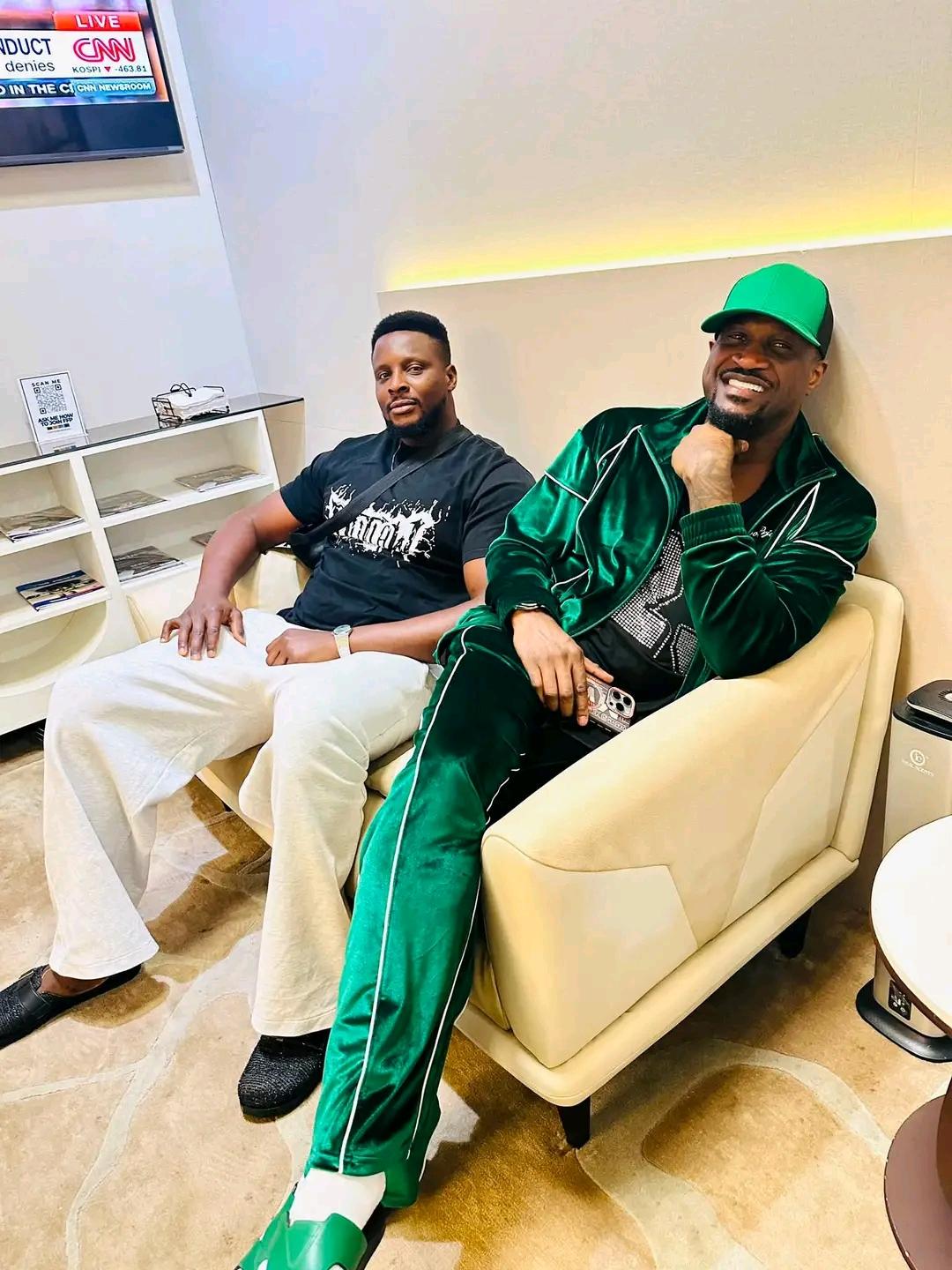
One of the hardest parts of leaving a successful group is accepting that you are no longer automatically associated with the old brand. Mr P did not try to cling to the P-Square identity. Instead, he leaned fully into “Mr P.”
This decision was important. Many artists who leave groups keep trying to ride on the old name. Mr P treated the split as a full restart. He reintroduced himself to the public as a solo artist with his own sound, image, and direction.
Lesson: When you step out on your own, you must be willing to rebuild from the ground up. Nostalgia can help, but it cannot carry a new brand forever.
2. He Stayed Consistent with His Image
From the beginning of his solo career, Mr P maintained a clear personal style — stylish, energetic, and approachable. Whether in music videos, interviews, or social media, his presentation remained recognizable.
Consistency builds trust. Fans began to know what to expect from him. He did not constantly reinvent himself in confusing ways. Instead, he refined his image over time while staying true to the core of who he was.
Lesson: A strong personal brand is not about changing every few months. It is about becoming clearer and more refined over time.
3. He Focused on Direct Connection with Fans
One of Mr P’s biggest strengths has been his ability to stay close to his audience. Through social media, live performances, and public appearances, he has maintained a relatively open relationship with fans.
This approach is different from artists who become distant once they reach a certain level of fame. Mr P has often positioned himself as someone still connected to the people who supported him from the beginning.
Lesson: In today’s digital world, accessibility is a powerful branding tool. Fans are more loyal to artists they feel they can relate to.
4. He Diversified Beyond Music
Smart branding rarely depends on one income stream or one form of visibility. Mr P expanded into other areas, including business and public presence outside pure music releases.
This diversification reduced pressure on every single song or project. It also helped him stay relevant even during periods when he was not releasing new music.
Lesson: Building a personal brand is safer when it is not tied to only one activity. Multiple pillars create stability.
5. He Controlled the Narrative Around His Journey
Public perception matters. After the P-Square split, there were different stories and opinions circulating. Rather than staying silent or reacting emotionally to every comment, Mr P focused on showing progress through his work and public actions.
Over time, the story shifted from “the end of P-Square” to “Mr P’s independent path.” That shift did not happen by accident. It happened because he consistently presented a forward-looking image.
Lesson: You cannot always control what people say, but you can control what you consistently show them.
What Entrepreneurs and Creators Can Learn
Mr P’s journey is not only relevant to musicians. The same principles apply to content creators, business owners, and professionals building personal brands:
Accept when a chapter has ended
Build a clear and consistent identity
Stay close to your audience
Create multiple ways to stay relevant
Focus on long-term perception instead of short-term reactions
Personal branding is rarely about overnight success. It is about steady decisions made over time.
Final Thoughts
Mr P’s post-P-Square career shows that leaving a successful group does not have to mean the end of relevance. With clarity, consistency, and patience, it is possible to build something new that stands on its own.
For anyone trying to create a strong personal brand — whether in entertainment, business, or online content — the biggest lesson is simple: stop trying to be a continuation of the past, and start becoming a clear version of yourself.

Leave a comment
Your email address will not be published. Required fields are marked *

